Is an EICR a Legal Requirement for Landlords?
Short answer: yes. Here is exactly what the law requires in England, the deadlines that matter, and how the EICR fits alongside your other compliance obligations.
If you let a residential property in England, an Electrical Installation Condition Report, almost always called an EICR, is not optional. It is a legal requirement, and the penalties for getting it wrong are among the steepest in the private rented sector.
This guide sets out what the law actually says, when your report is due, and why an EICR is only one of three electrical-safety duties landlords often confuse.
The law in one sentence
Under the Electrical Safety Standards in the Private Rented Sector (England) Regulations 2020, a landlord must ensure the fixed electrical installation in a let property is inspected and tested at least every five years by a qualified and competent person, and must obtain a report, the EICR, confirming the installation is safe.
The rules took effect for new tenancies from 1 July 2020 and were extended to all existing tenancies from 1 April 2021. So if you are letting today, the requirement applies to you regardless of when the tenancy began.
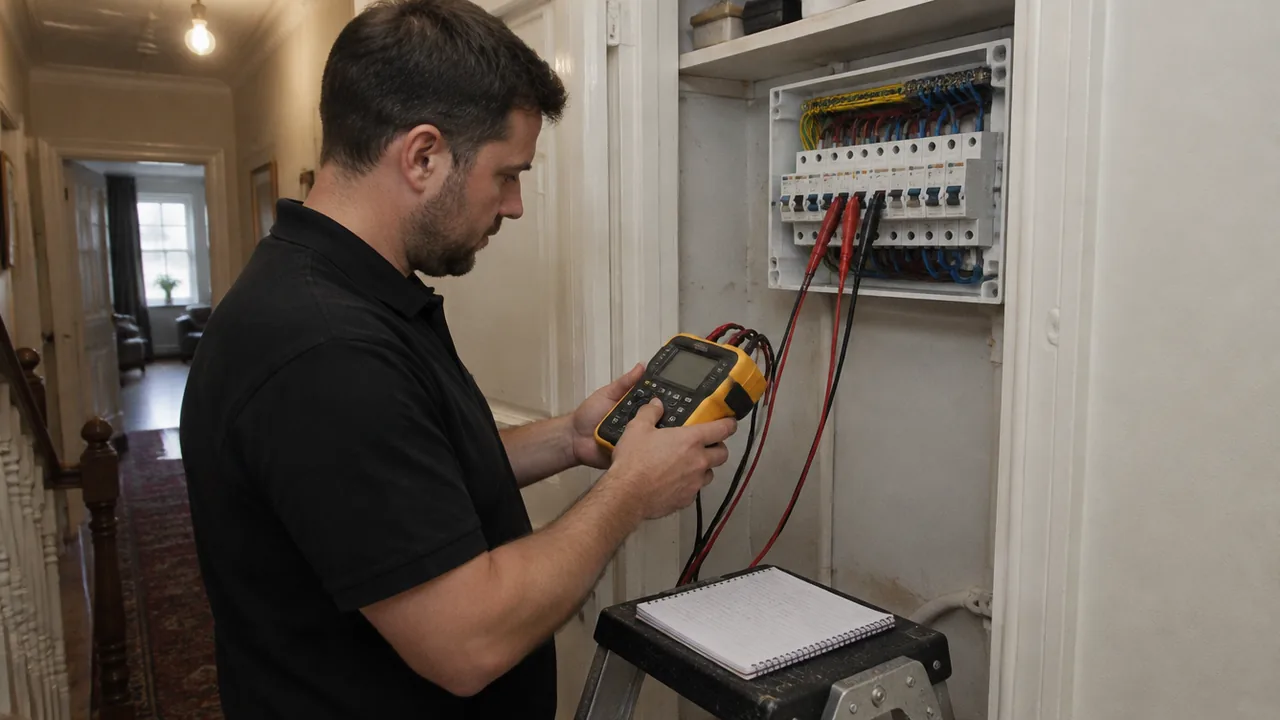
What the EICR actually checks
An EICR assesses the fixed installation, the parts of the electrical system built into the fabric of the building. That includes:
- The consumer unit (fuse board) and its protective devices
- Fixed wiring throughout the property
- Sockets, switches, and light fittings
- Earthing and bonding arrangements
The inspector records any issues using standard classification codes. C1 means danger present and requires immediate action; C2 means potentially dangerous and requires remedial work; FI means further investigation is needed.
An installation with any C1, C2, or FI code is deemed unsatisfactory, and the landlord must carry out the remedial work, usually within 28 days of the report, or sooner if the report specifies.
The deadlines that catch landlords out
Three timescales matter, and missing them is where most landlords get into trouble:
- You must give a copy of the report to existing tenants within 28 days of the inspection.
- You must give it to new tenants before they move in.
- If the local authority requests a copy, you must supply it within 7 days.
Where remedial work is required, you must then provide written confirmation that it has been completed to the tenants and the local authority within 28 days of the work finishing.
The penalty: a local authority can impose a financial penalty of up to £30,000 for a breach of these regulations, and can arrange for remedial work to be carried out and recover the cost from the landlord. This is a per-breach civil penalty, not a one-off cap.
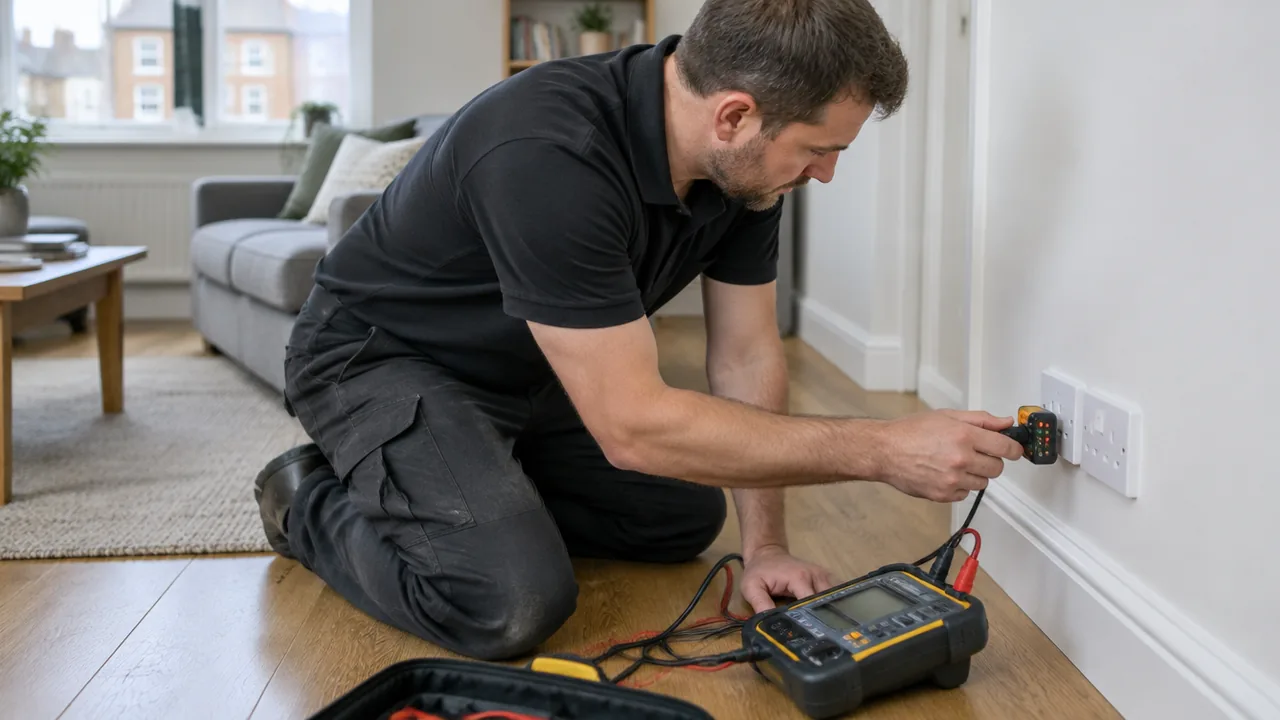
EICR vs PAT vs Gas Safety, three different duties
A common and costly misunderstanding is treating “electrical safety” as a single job. It is three:
- EICR, the fixed installation, at least every five years. Legally required.
- PAT testing, the portable appliances you supply (kettle, fridge, washing machine). Not named in statute, but the underlying duty to supply safe appliances is real, and PAT is the standard way to evidence it.
- Gas Safety (CP12), gas appliances and flues, checked annually by a Gas Safe registered engineer.
Because these run on different clocks, five-yearly, risk-based, and annual, keeping them straight across even a small portfolio quickly becomes a diary-management problem. That is precisely the problem a planned maintenance contract is designed to remove: one provider, one compliance calendar, one audit trail.
What to do next
If you cannot lay your hands on a valid, satisfactory EICR dated within the last five years for every property you let, that is the gap to close first, it carries the biggest penalty and the clearest legal duty.
Book the inspection, budget for any C1/C2 remedial work, and keep the report and completion evidence where you can produce it within seven days if a council ever asks.
Mainteniq arranges EICR inspections and manages the remedial works across Greater London, and can fold your EICR, CP12, PAT and Legionella obligations into a single maintenance contract so nothing lapses. See our EICR service for London landlords for details.
Related services & guides
Talk to a London maintenance specialist
Whether it's one property or a portfolio, we'll put your compliance and servicing on a single planned maintenance contract. Get a no-obligation quote.